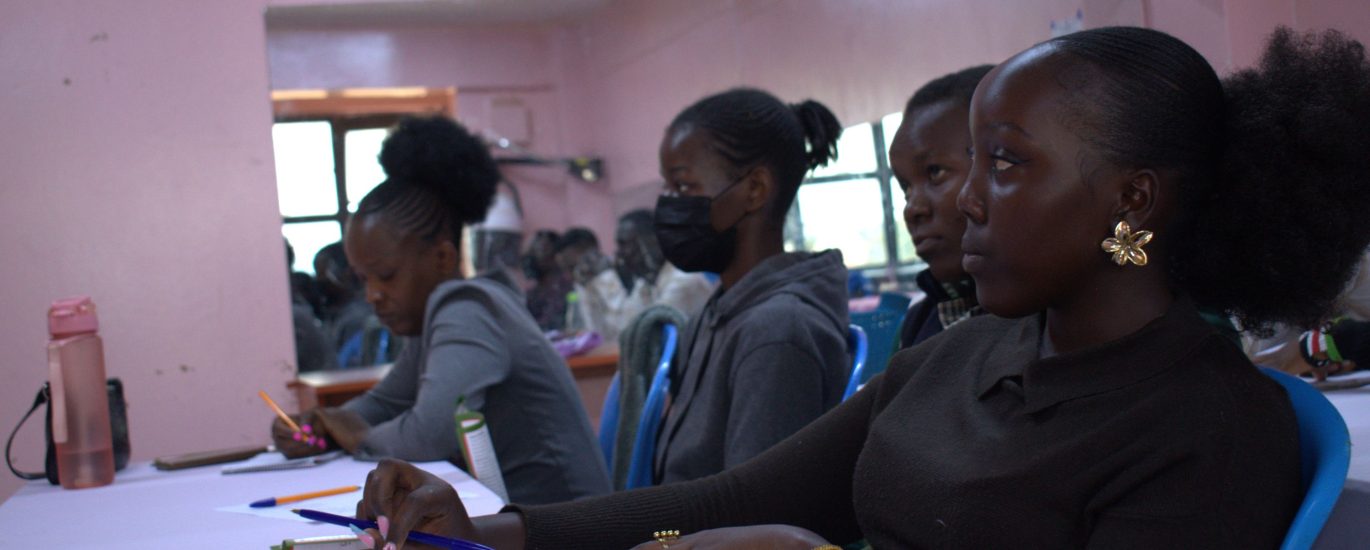
Social disasters such as drug and substance abuse, gender-based violence, poverty, family breakdown, crime, child abuse, unemployment and social exclusion continue to affect individuals, families and communities. These challenges often have interconnected causes and can prevent people from living safe, healthy and dignified lives. Addressing them requires more than responding after a crisis occurs; it requires communities, organizations, government agencies and individuals to work together on prevention, education, empowerment and early intervention.
Addressing the Root Causes
Many social challenges are linked to poverty, lack of employment opportunities, limited access to education, family difficulties, inequality and inadequate access to essential services. Young people who lack opportunities for education, skills development and productive livelihoods can become particularly vulnerable to harmful influences. Addressing these underlying challenges can help communities build resilience and reduce the conditions that allow social problems to grow.
Empowering Young People
Youth empowerment is an important part of preventing social challenges. Providing young people with practical skills, mentorship, entrepreneurship training, employment opportunities and positive recreational activities can help them develop productive futures. Communities also need safe spaces where young people can discuss their challenges, access guidance and counseling, and receive information that supports healthy decision-making.
Promoting Education and Awareness
Education plays an important role in preventing social disasters. Community education can increase awareness about human rights, child protection, gender equality, drug abuse, mental health, health and safety, environmental responsibility and good governance. When people have access to accurate information, they are better positioned to recognize risks, seek assistance and participate in solutions affecting their communities.
Protecting Women and Children
Women and children can be particularly vulnerable to violence, exploitation and neglect. Communities need strong awareness programs and support systems that promote dignity, equality and protection. Preventing gender-based violence and child abuse requires families, schools, community leaders, institutions and authorities to work together to identify risks, support survivors and promote environments where abuse is not tolerated.
Strengthening Mental Health and Counseling Support
Social challenges can have significant emotional and psychological effects. Accessible counseling and psychosocial support can help individuals and families cope with trauma, stress, addiction, conflict and other difficult circumstances. Early access to appropriate support can help people manage challenges before they develop into more serious personal or family crises.
Preventing Drug and Substance Abuse
Drug and alcohol abuse can affect health, relationships, education, employment and community safety. Prevention should begin with awareness and early intervention, particularly among young people. Community sensitization, behavioral-change programs, counseling, rehabilitation support and meaningful economic opportunities can all contribute to reducing substance-related harm.
Creating Economic Opportunities
Poverty reduction is closely connected to social wellbeing. Supporting people with skills, entrepreneurship training, agricultural knowledge and access to income-generating opportunities can help families become more economically resilient. Creating pathways to productive livelihoods can also provide young people with alternatives to idleness and other harmful activities.
Building Stronger Communities Through Partnership
No single organization can address every social challenge alone. Sustainable solutions require collaboration between communities, government agencies, NGOs, schools, healthcare providers, businesses, development partners, faith-based organizations and other stakeholders. By combining knowledge, resources and expertise, communities can develop coordinated approaches to prevention and response.
Our Commitment
At Great Link International, we believe that reducing social challenges starts with empowering people and strengthening communities. Through our work in education, health, counseling, youth empowerment, gender equality, poverty reduction, food security, civic education, environmental protection and community support, we seek to contribute to safer and more resilient communities.
Together, we can prevent social challenges, restore hope, protect human dignity and create opportunities for individuals and families to build secure and fulfilling lives.